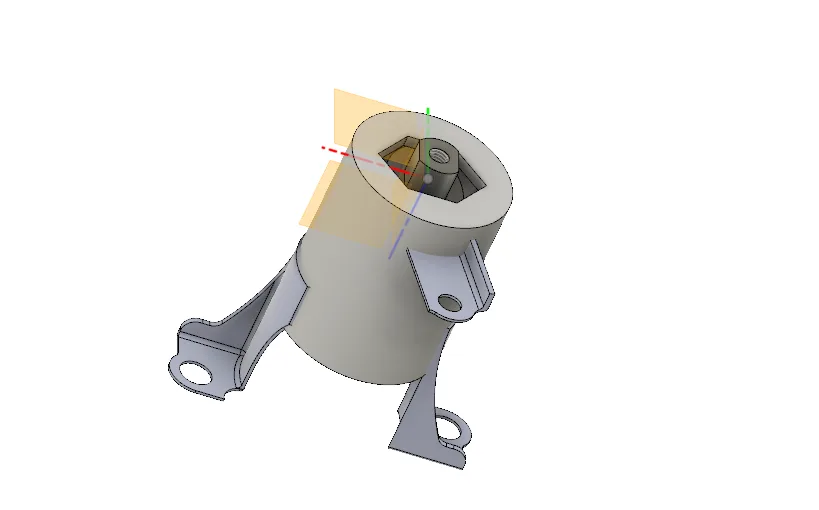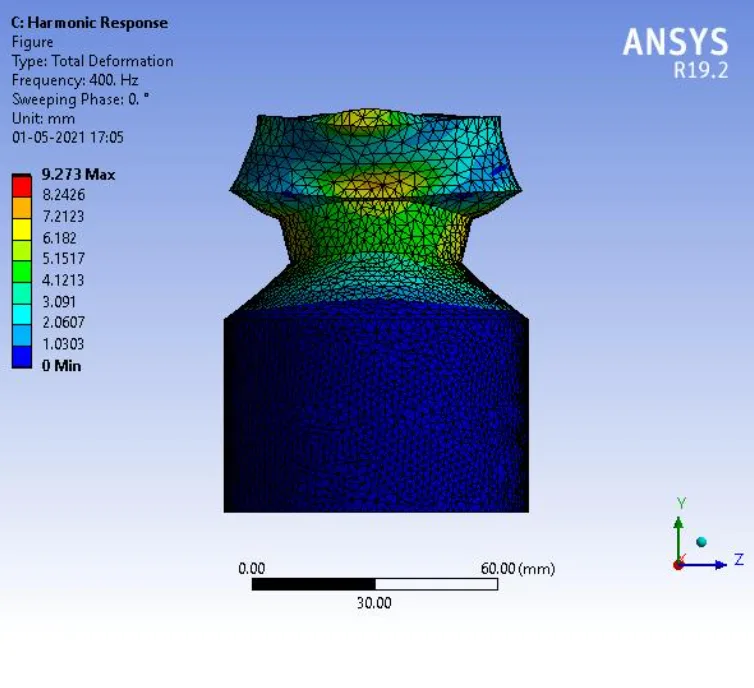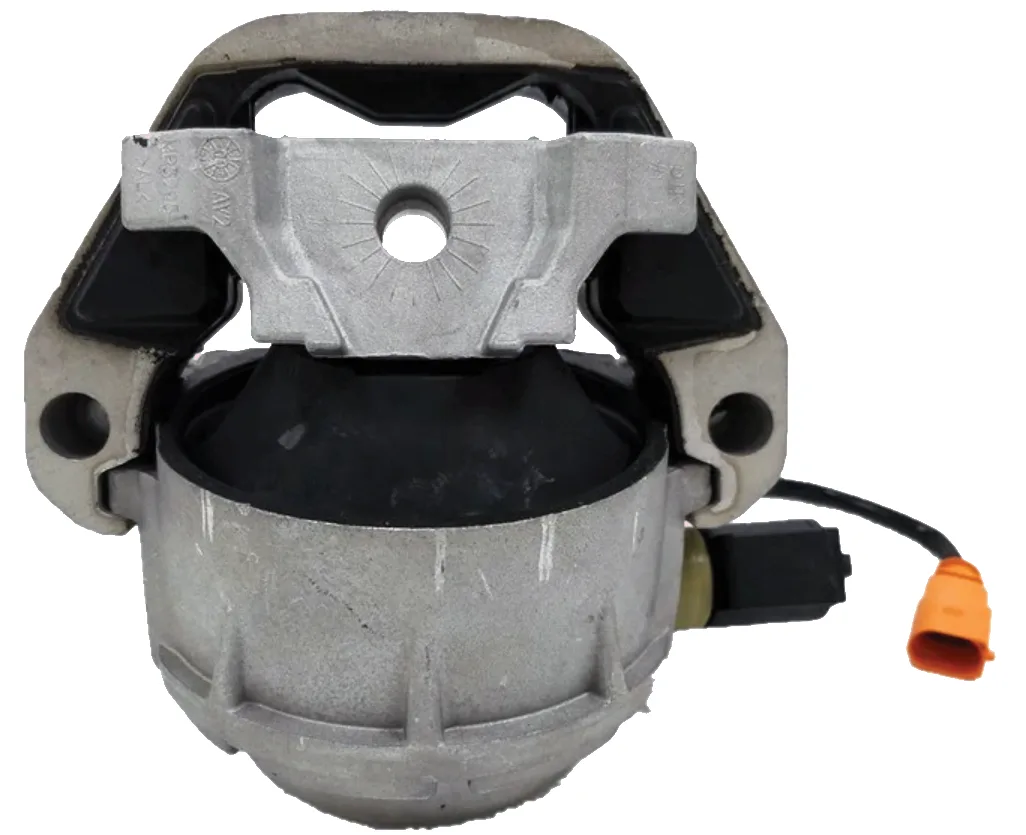
Every time you start a car, a heavy engine begins to shake. The part that decides how much of that shaking reaches your seat, your steering wheel and your ears is the engine mount. It is small, it is rarely talked about, and when it wears out you notice it immediately.
What an engine mount does
An engine typically weighs around 200 kg, and it vibrates all the time it is running. The mounts do two jobs at once: they hold the engine firmly in place, and they stop its vibration from travelling into the body of the car. How well a car does this largely decides how smooth and quiet it feels.
A good mount is stiff enough to hold the engine, yet soft enough not to pass its vibration on to the cabin.
The three types of engine mount
1. Elastomeric (rubber-to-metal)
A block of specially compounded rubber bonded between metal parts. Simple, durable and cost-effective, and still the most common type. Its limit is that it has one fixed stiffness, so it is always a compromise.
2. Hydraulic
The same rubber and metal construction, but with a sealed chamber of fluid inside. When the engine moves, the fluid is pushed through a small opening, which absorbs a lot of energy. The result is better damping of large movements while still isolating the fine vibration at idle.
3. Active
Hydraulic mounts that are controlled electronically, so they can change their behaviour with engine speed and load. These are mostly found on premium vehicles.
Signs that a mount is wearing out
- A knock or clunk when you start the engine, accelerate hard or change gear.
- More vibration than before at idle, felt in the steering wheel or the floor.
- The engine visibly rocking more than it should when it is revved.
- Cracked or split rubber, or oil stains around a hydraulic mount (it has lost its fluid).
A worn mount does not only make the car less comfortable. It lets the engine move, which puts extra strain on hoses, wiring, the exhaust and the gearbox.
Replacing a mount
Always match the mount to the exact vehicle: make, model, year, engine and gearbox. If one mount has failed, have the others checked, because they share the same load. Our vehicle search shows only the mountings that fit your car.
Want to understand how a hydraulic mount is actually designed and tested? Read our next two articles.
This article is based on the B.E. Mechanical Engineering project “Design, Fabrication and Analysis of Engine Mountings” by Bhavya Madhani, Devesh Parwal, Manraj Chandhok and Rhys Rodrigues, guided by Prof. Prashant Frank Crasta.